A smouldering fire that goes out easily and heats slowly is not necessarily fixed by adding more wood. Check the fuel, air supply and flue path separately.
This guide covers routine checks for a wood-fired hot tub heater. Do not assume all heaters have the same air controls or chimney.
Before any test: check the water
Do not light the heater ‘just for a minute’ if the tub is empty or below the manual’s minimum level. With natural circulation systems, water must also fill the heater circuit. If it may be frozen or blocked, do not test it with a fire.
Checking the draught does not justify a test without water. Do not drain the tub while any fire or embers remain.
1. Change the test fuel, not the installation
Use dry, clean wood split to a size permitted for the heater. Very large or damp pieces make starting harder. Do not burn painted or treated wood, furniture scraps or waste.
Leave the gaps needed for combustion between pieces. A tightly packed firebox is not the same as a well-fed fire. Follow the manual’s loading and lighting method; do not counter smoke with flammable liquids.
2. Check ash and air access
With the heater completely cold, remove ash as instructed and check the grate, if fitted. Accumulated ash can restrict combustion air. Also check that the manufacturer’s air inlets are clear.
If the heater has a control, use the specified starting position. Do not remove the door or permanently modify the air intake to get a stronger fire. If the issue persists with dry wood and a clean firebox, check the flue path.
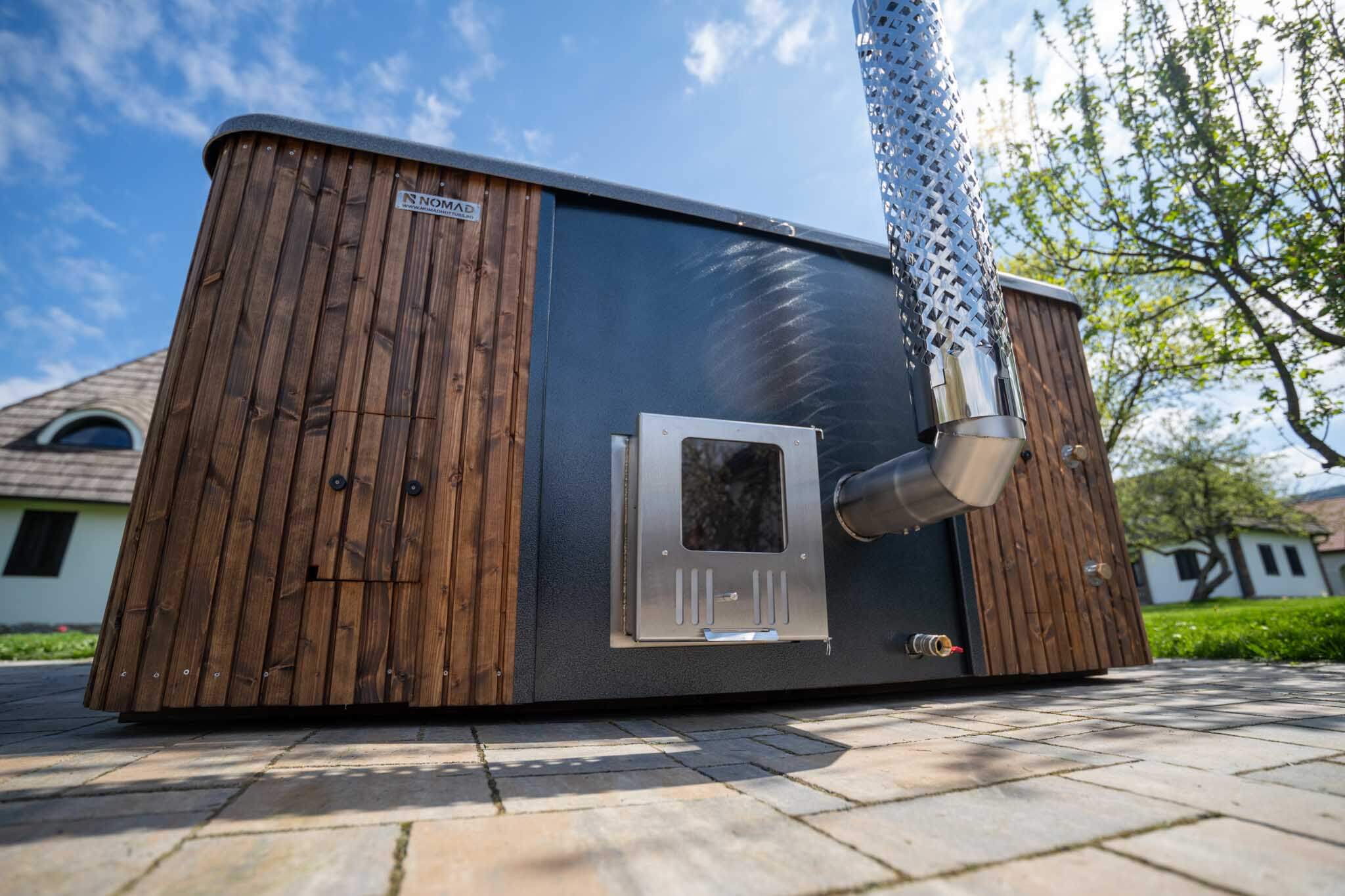
3. Check the flue path with the installation cold
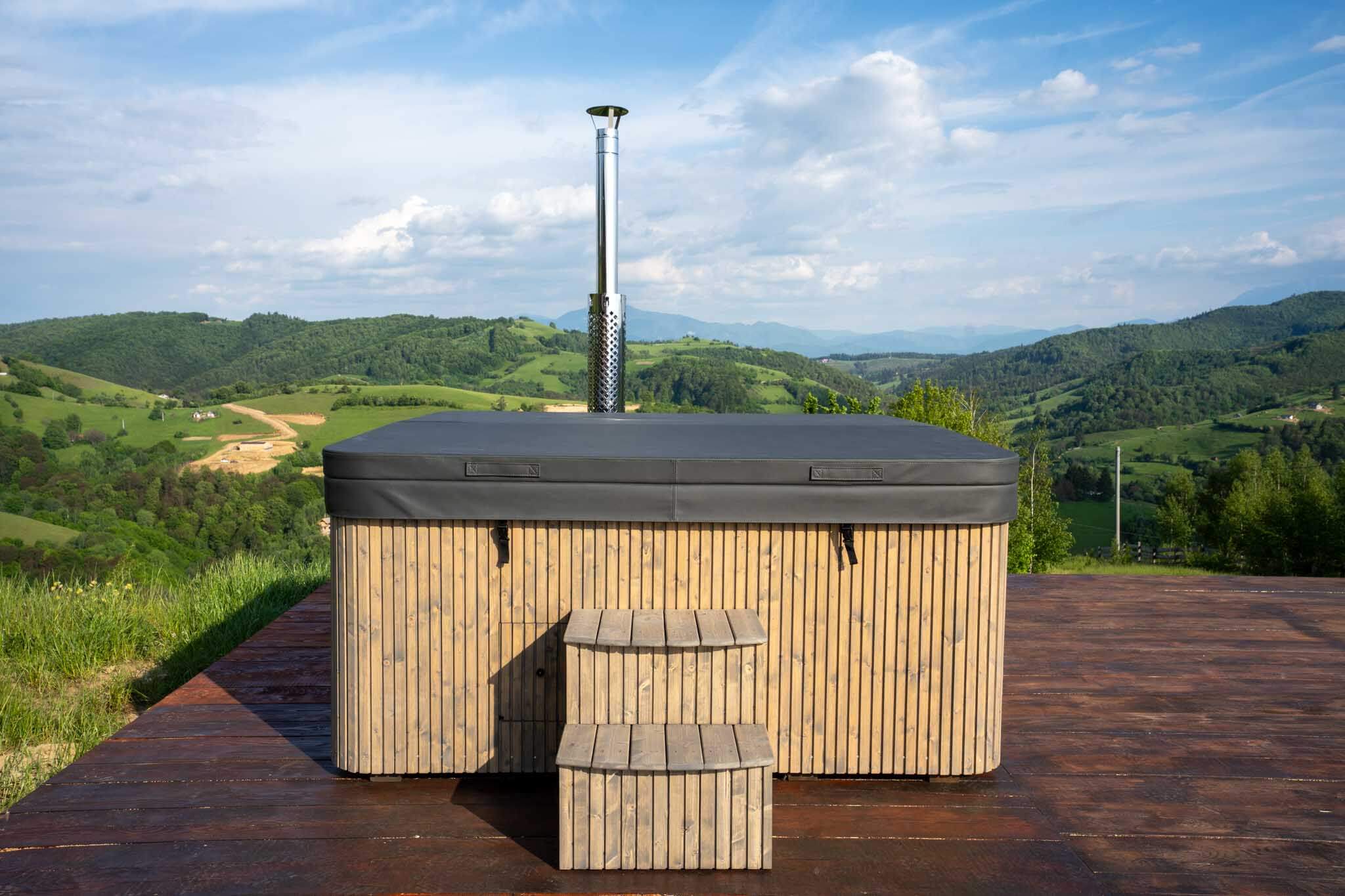
Deposits in the heater and chimney can reduce draught; soot on heat exchange surfaces can lengthen heating time. A spark guard clogged with deposits can also hinder exhaust flow.
Visually inspect accessible components and arrange cleaning according to the manual. Do not dismantle a hot chimney, work at height without equipment or deliberately burn out deposits. An extension or elbow added without assessment is not a universal solution.
How do you distinguish a combustion problem from a heating problem?
- Lots of smoke and an unstable fire: start with the wood, combustion air and exhaust.
- A stable fire, but water heats more slowly than before: check heater maintenance, starting water temperature and cover use; do not compare two different fills as if they were identical.
- Smoke blows back towards users or the building: stop using the area and have the location and chimney checked. Do not move the hot tub with a fire burning.
Do not use an outdoor heater in an enclosed or improvised enclosed space.
What information helps a technician?
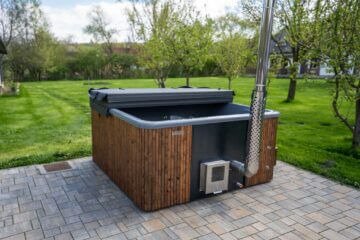
Send photos of the whole chimney and location, the wood type, when the smoke appears and the cleaning history. A short video taken from a safe distance can show whether the issue occurs only during lighting or throughout combustion.
Ask the NOMAD team for an inspection. To plan your bath, also see what affects heating time.
Technical sources: questions about smoke, ash and heater maintenance; wood combustion and natural circulation; instructions for safe filling and draining. Installation and operating limits must come from the manual for the fitted heater.