If you want to get in at eight, don't leave lighting the fire until half past seven. Heating takes time, and that time varies between fills.
There is no heating time that applies to every hot tub. Water volume, starting temperature, heater output and outdoor conditions all matter. Allow plenty of time on first use and check the temperature with a thermometer.
Why does it sometimes take longer?
Cold mains water needs a larger temperature rise than water that is already lukewarm. Volume matters too: two tubs with different capacities won't behave identically just because their heaters are similar.
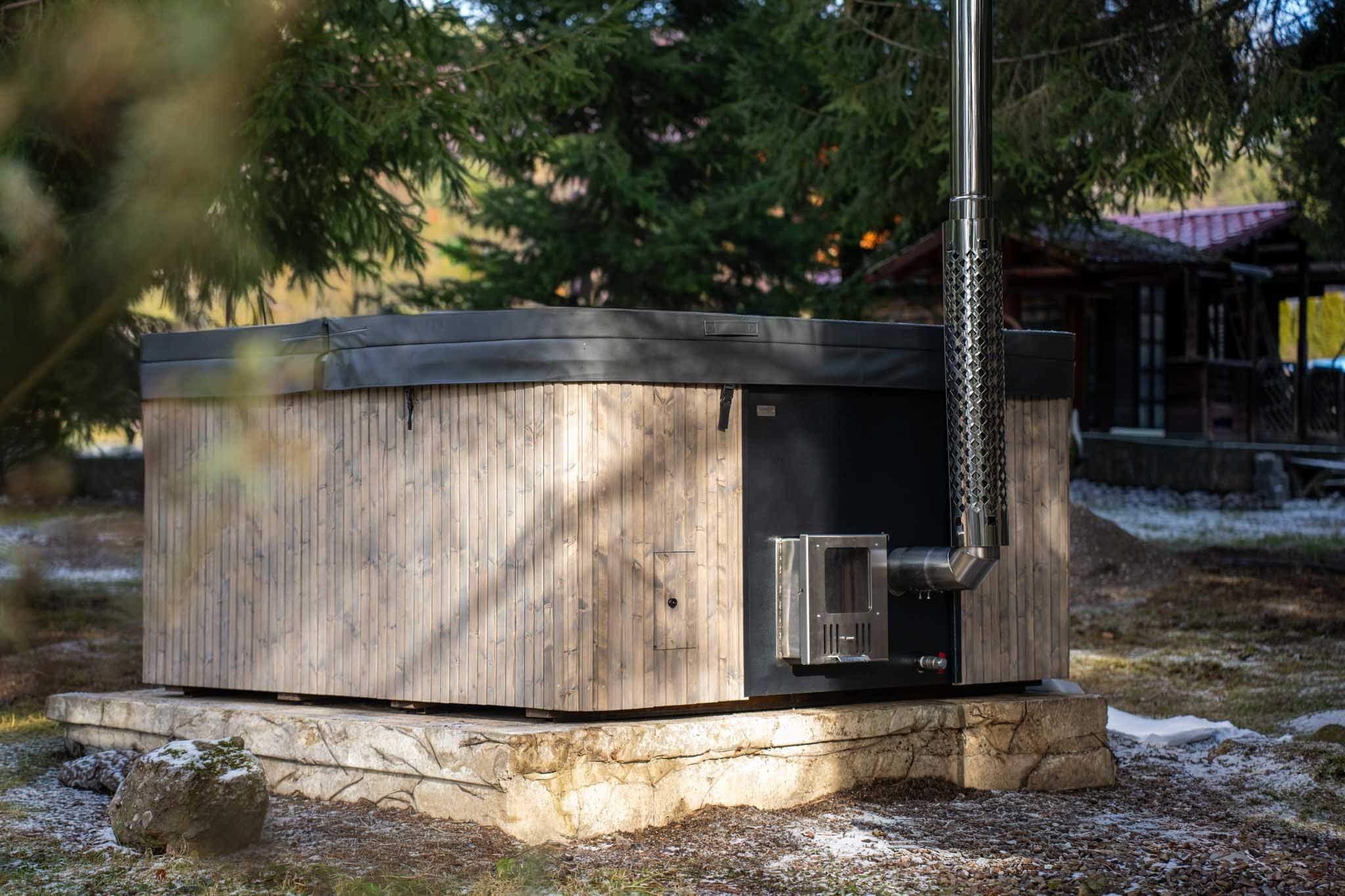
Wet firewood and a fire that dies down between loads can extend preparation. Use dry wood permitted by the heater manual and the correct cover. Don't try to make up time by overloading the firebox.
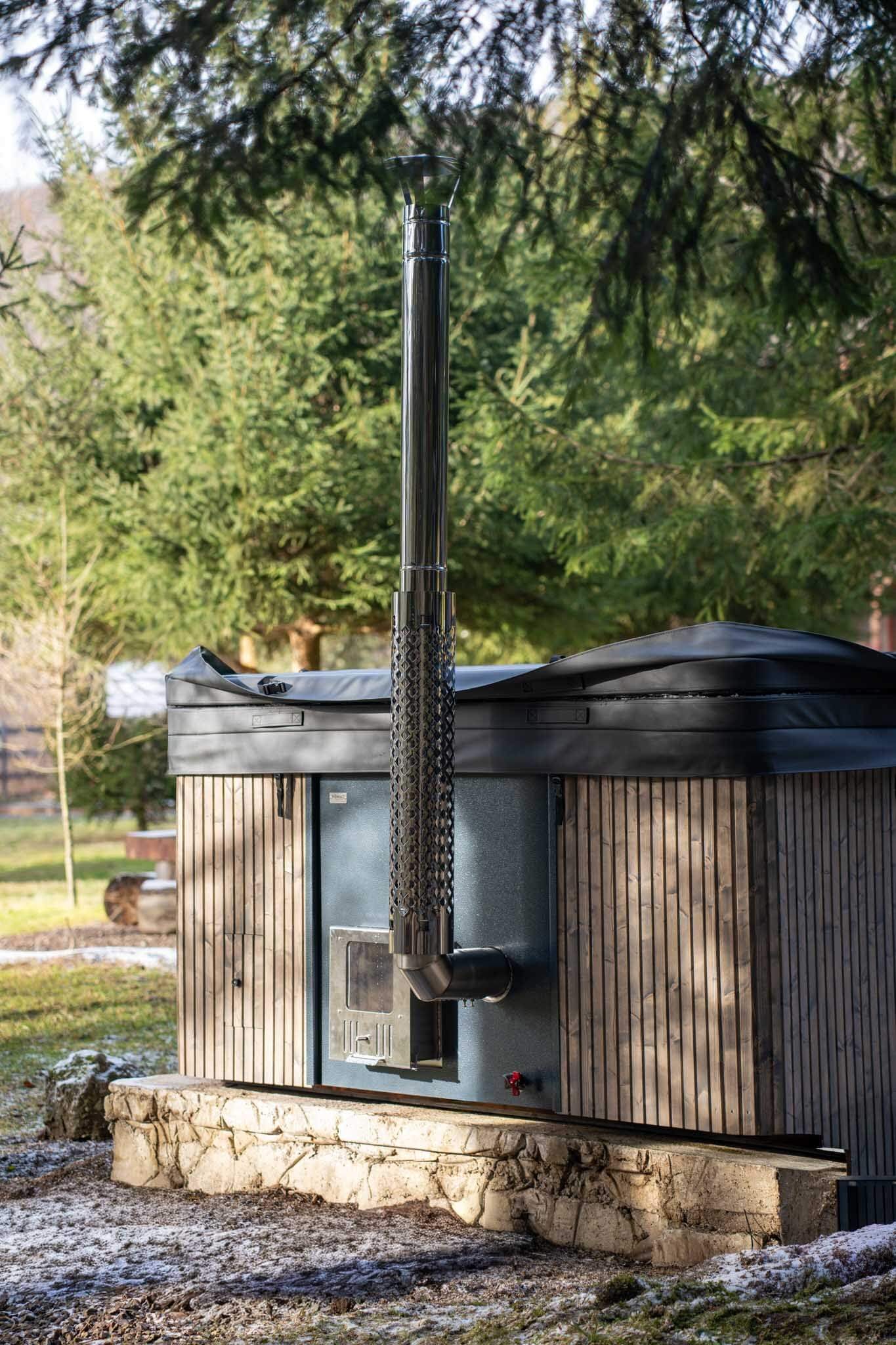
How much energy does heating take?
Heating 1,500 litres from 10°C to 38°C requires approximately 48.8 kWh to reach the water. This is thermal energy, not electricity consumption or the total energy in the wood burned.
In a theoretical example, transferring 20 kW continuously into the water would take about 2 hours and 26 minutes, without losses. Actual useful output varies. Don't assume the rating on the heater label is automatically the output reaching the water.
How can I estimate my hot tub's heating time?
Set aside an unhurried afternoon for first use. Fill to the level required in the manual before lighting the fire. Note the starting temperature, time and weather. Measure periodically and mix the water as instructed so you aren't checking only the warm surface layer.
For your next soak, you'll have a benchmark measured in your own garden. Reduce fuel loading in good time as you approach the desired temperature: remaining embers can continue heating the water. CDC gives a 40°C limit for hot tub water.
Would you like an estimate for your hot tub? Write to the NOMAD team and tell us what equipment you have. Also see the buying guide.
Source: CDC — hot tub use. The energy calculation is illustrative.